
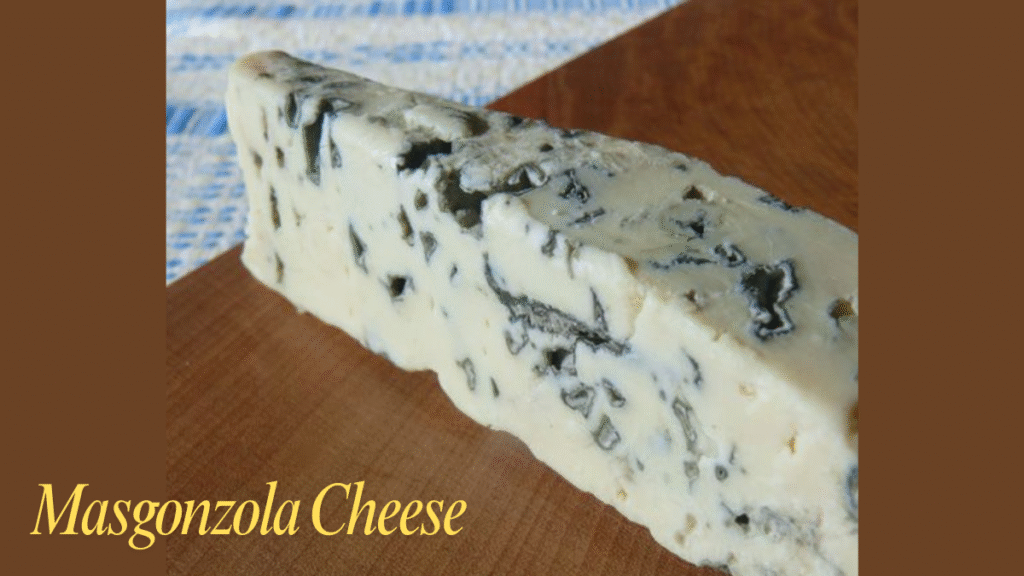
Cheese lovers are always on the hunt for the next indulgent flavor — something creamy, bold, and unexpected. Enter Masgonzola, the irresistible fusion of mascarpone and Gorgonzola, two of Italy’s most iconic cheeses. It’s a pairing that perfectly balances sweet creaminess with rich, tangy depth, creating a spreadable delight that’s both luxurious and versatile.
Masgonzola isn’t just another gourmet novelty; it’s a modern expression of Italian cheesemaking at its finest. Whether you’re spreading it on fresh bread, folding it into pasta, or serving it alongside fruit and honey, this unique cheese offers an unforgettable sensory experience.
In this article, we’ll explore the origins, composition, taste profile, culinary uses, and growing popularity of Masgonzola cheese — and why it deserves a special place in your kitchen.
1. What Exactly Is Masgonzola Cheese?
Masgonzola is a blend of two beloved Italian cheeses:
- Mascarpone, a rich, creamy cheese from Lombardy made from fresh cream.
- Gorgonzola, a bold blue cheese from the same region, famous for its tangy flavor and blue-green veining.
When these two cheeses are combined, the result is pure harmony — the smooth, buttery texture of mascarpone softens the sharp, earthy bite of Gorgonzola. The name “Masgonzola” itself is a clever fusion of both, symbolizing the marriage between sweet creaminess and savory intensity.
It’s essentially the best of both worlds: decadent like mascarpone, flavorful like Gorgonzola, and endlessly adaptable in both sweet and savory dishes.
2. The Italian Origins of Masgonzola
To understand why Masgonzola works so beautifully, it helps to know where it comes from. Both mascarpone and Gorgonzola hail from northern Italy, particularly the Lombardy region, renowned for its fertile pastures and deep-rooted dairy traditions.
- Mascarpone originated near Milan in the late Renaissance, first crafted as a luxurious cream cheese for aristocrats. Made from heavy cream rather than milk, it’s rich, velvety, and naturally sweet.
- Gorgonzola, on the other hand, dates back to the 9th century in the town of Gorgonzola. It’s one of the oldest blue cheeses in the world, made from cow’s milk inoculated with Penicillium roqueforti mold to create its signature marbling and pungent aroma.
By combining these two regional legends, cheesemakers created Masgonzola — a modern twist rooted in centuries of Italian craftsmanship. It’s often handmade in small batches, preserving traditional methods while appealing to a contemporary palate.
3. How Masgonzola Is Made
Making Masgonzola requires both precision and artistry. While recipes vary slightly among producers, the general process involves layering or blending mascarpone with mature Gorgonzola to create a smooth, marbled cheese with a creamy texture.
The Process
- Select the Base Cheeses: Fresh mascarpone and aged Gorgonzola Dolce (the milder, creamier version) are chosen for balance.
- Blend Carefully: The cheeses are gently folded together to preserve Gorgonzola’s marbling while distributing its flavor evenly through the mascarpone.
- Rest and Mature: The mixture is allowed to rest for a short period, often refrigerated, to allow the flavors to meld without overpowering the mascarpone’s sweetness.
- Package and Store: The final cheese is typically packaged in tubs or small rounds, ready to spread or melt.
The result is a luscious, pale cheese streaked with subtle blue-green veins, soft enough to spread yet rich enough to stand on its own.
4. The Taste and Texture: A Perfect Balance
Masgonzola’s flavor is its most captivating feature. Imagine the gentle sweetness of mascarpone blending seamlessly with the earthy, salty complexity of Gorgonzola. It’s creamy, tangy, and slightly nutty, with a finish that lingers but never overwhelms.
- Texture: Silky and spreadable, somewhere between cream cheese and soft brie.
- Flavor: Mellow blue cheese notes balanced by buttery creaminess.
- Aroma: Mildly pungent, with a hint of sweetness from the mascarpone.
This dual character makes Masgonzola incredibly versatile. It appeals even to those who usually shy away from strong blue cheeses — the mascarpone tempers the bite, creating a well-rounded, approachable flavor.
5. Why Masgonzola Is So Special
Masgonzola stands out not just for its flavor, but for what it represents: balance. It’s a culinary metaphor for harmony — where strength meets softness, boldness meets elegance.
Here’s why it’s winning over chefs and food lovers alike:
- Versatility: Works in both sweet and savory dishes.
- Approachability: Less intense than traditional Gorgonzola, making it suitable for broader palates.
- Texture: Spreadable, making it ideal for sauces, dips, and desserts.
- Gourmet Appeal: Offers a sophisticated touch without requiring complicated preparation.
It’s the kind of ingredient that transforms a simple dish into something memorable.
6. Culinary Uses: How to Enjoy Masgonzola
Masgonzola’s versatility in the kitchen is one of its greatest strengths. It’s equally at home on a cheeseboard as it is in a gourmet pasta sauce. Here are some delicious ways to enjoy it:
a. On a Cheese Board
Pair Masgonzola with:
- Honey or fig jam for a sweet contrast.
- Walnuts, pears, or apples for texture and balance.
- Crusty Italian bread or crackers for spreading.
It’s a conversation starter — creamy, elegant, and perfect for entertaining.
b. In Pasta and Risotto
Masgonzola melts beautifully, making it perfect for:
- Gnocchi with Masgonzola cream sauce
- Tagliatelle with pancetta and Masgonzola
- Risotto with spinach and Masgonzola
The cheese lends richness and depth without overwhelming the other flavors.
c. On Pizza or Flatbread
Spread a thin layer of Masgonzola over pizza dough and top with prosciutto, caramelized onions, or arugula. The result is a gourmet twist on the classic Italian pizza.
d. As a Dip or Spread
Mix Masgonzola with a touch of cream or olive oil to create a luxurious dip for:
- Fresh vegetables
- Toasted crostini
- Breadsticks or pretzels
You can even whip it into a blue cheese butter for steaks or roasted potatoes.
e. In Desserts
It might sound surprising, but Masgonzola also shines in desserts. When paired with honey, figs, or dark chocolate, its subtle tang enhances sweetness rather than competes with it.
Try it in:
- Cheesecakes with a savory edge
- Stuffed figs drizzled with balsamic glaze
- Sweet pastries with a touch of Masgonzola cream
7. Pairing Masgonzola with Wine
No Italian cheese experience is complete without the perfect wine pairing. Because Masgonzola straddles creamy and pungent flavors, it pairs well with both sweet and robust wines.
For a Balanced Pairing:
- Sweet white wines like Moscato d’Asti or Sauternes soften the blue cheese’s edge.
- Full-bodied reds like Chianti or Barbera complement its richness.
- Dessert wines like Vin Santo or Port create an indulgent finish.
For Beer Lovers:
Try pairing Masgonzola with Belgian ales, stouts, or amber lagers, which offer caramel and malt notes that contrast beautifully with the cheese’s saltiness.
8. Nutritional Profile
Masgonzola, like most rich cheeses, should be enjoyed in moderation — but it’s packed with valuable nutrients.
Approximate Nutrition per 1 oz (28g):
- Calories: ~110
- Protein: 3–4 g
- Fat: 9–10 g (mostly saturated)
- Calcium: ~15% of daily value
- Sodium: Moderate, depending on Gorgonzola content
It’s an indulgent cheese, best used as a flavor enhancer rather than the main ingredient. But because it’s so rich, a little goes a long way.
9. How to Store Masgonzola
Proper storage is essential to maintain Masgonzola’s delicate texture and flavor.
- Refrigeration: Store it in an airtight container or wrap it in parchment paper and foil to prevent drying.
- Temperature: Keep it between 2°C and 5°C (36°F–41°F).
- Shelf Life: Typically lasts about 7–10 days once opened.
- Freezing: Not recommended — it can alter the texture and make the cheese grainy.
Before serving, let Masgonzola sit at room temperature for 15–20 minutes to bring out its full aroma and creaminess.
10. The Growing Popularity of Masgonzola
Though Masgonzola remains a relatively new creation, it’s gaining attention among chefs, food bloggers, and home cooks. Its luxurious flavor, approachable complexity, and visual appeal make it a rising star in the world of artisanal cheeses.
Restaurants now feature it in creative dishes — from Masgonzola gnocchi to pear and walnut salads drizzled with Masgonzola dressing. Its adaptability makes it a favorite among those seeking to elevate traditional comfort food with a touch of Italian sophistication.
Social media has also played a role in its rise. Food influencers often showcase Masgonzola boards and creamy pasta recipes, highlighting its “Instagram-worthy” aesthetic and indulgent texture.
11. How to Make Masgonzola at Home
If you can’t find Masgonzola at your local market, it’s surprisingly easy to make your own version at home with just two ingredients.
Ingredients:
- 200g (about 7 oz) Gorgonzola Dolce (mild, creamy variety)
- 200g (about 7 oz) fresh mascarpone cheese
Instructions:
- Allow both cheeses to reach room temperature.
- In a bowl, gently mix them together using a spatula until well combined.
- Adjust the ratio depending on your taste:
- For a milder flavor, add more mascarpone.
- For a stronger bite, increase the Gorgonzola.
- Chill for at least 2 hours before serving to let the flavors meld.
Homemade Masgonzola can be stored in the fridge for up to a week and used just like the store-bought version.
12. Masgonzola vs. Similar Cheeses
Masgonzola may remind you of other creamy blue cheese blends, but it has its own unique character. Here’s how it compares:
| Cheese | Texture | Flavor | Use |
|---|---|---|---|
| Masgonzola | Creamy, spreadable | Mild blue, buttery | Sauces, spreads, desserts |
| Blue Brie | Soft-ripened | Earthy, mushroomy | Cheese boards |
| Roquefort Cream | Thick, tangy | Sharp, salty | Dips, sauces |
| Gorgonzola Dolce | Soft, crumbly | Mildly pungent | Pasta, pizza |
| Mascarpone | Smooth, sweet | Neutral | Desserts, fillings |
Masgonzola stands out for its balance — less intense than Roquefort, richer than blue brie, and far more decadent than plain mascarpone.
13. Perfect Occasions to Serve Masgonzola
Masgonzola shines at special occasions, but it’s versatile enough for everyday indulgence. Try serving it:
- At dinner parties: As part of an antipasto platter or as a creamy sauce for ravioli.
- During holidays: With figs, nuts, and sparkling wine.
- On cozy nights: Melted over roasted potatoes or spread on warm baguette slices.
- For brunch: Swirled into scrambled eggs or spread on toast with honey.
Its ability to elevate simple ingredients makes it a secret weapon in any home chef’s fridge.
14. The Future of Masgonzola
Masgonzola’s rise signals a broader culinary trend — the fusion of tradition and innovation. As diners look for comfort foods with a gourmet twist, hybrid cheeses like Masgonzola are gaining ground.
Cheesemakers continue to experiment with aging processes, different ratios, and even variations that include herbs or truffle oil. The result is a new generation of flavor experiences built on old-world craftsmanship.
In the years ahead, expect to see Masgonzola appear more often in restaurant menus, cheese shops, and online specialty stores. Its balance of elegance and indulgence ensures it won’t be a passing trend — it’s here to stay.
Conclusion: A Cheese Worth Savoring
Masgonzola cheese is proof that great things happen when opposites come together. By blending the creamy sweetness of mascarpone with the complex tang of Gorgonzola, it achieves a rare harmony — one that delights both seasoned cheese connoisseurs and newcomers alike.
It’s versatile, luxurious, and quintessentially Italian. Whether you enjoy it melted into pasta, spread over warm bread, or paired with a glass of wine, Masgonzola brings a touch of decadence to every meal.
So next time you’re looking to impress your guests — or simply treat yourself — reach for Masgonzola. One taste, and you’ll understand why this creamy fusion of mascarpone and Gorgonzola is becoming a favorite among cheese lovers around the world.

