

The construction industry has always been at the heart of human progress, shaping cities, infrastructure, and the very landscapes we live in. Yet, for decades, it remained one of the least digitized industries, often relying on outdated processes, manual coordination, and fragmented communication between stakeholders. In recent years, however, the emergence of Building Information Modeling (BIM) has created a new pathway for efficiency, sustainability, and smarter infrastructure development. Among the pioneers leading this digital transformation in Latin America is IngeBIM, a Chilean company founded in 2019 that has quickly established itself as a reference in BIM services, consultancy, and education.
This article explores the story of IngeBIM, its role in reshaping construction, and why BIM has become such an essential methodology for the future of global infrastructure projects.
The Rise of IngeBIM in Chile’s Engineering Landscape
IngeBIM Spa was born from the vision of two civil engineers, Ignacio Barra and Mario Bravo, who recognized the urgent need for digitization in the engineering and construction sector. Established in 2019, the company was created to address the growing demand for BIM methodology in infrastructure projects, particularly in roads, railways, and large-scale civil works.
What makes IngeBIM’s approach unique is its dual focus: they not only provide practical BIM services for construction and engineering projects but also promote education and training so that professionals across Latin America can adopt BIM effectively. This strategy ensures that BIM is not just implemented in isolated projects but gradually becomes an industry-wide standard.
By partnering with international academic institutions such as ZIGURAT Institute of Technology, IngeBIM has positioned itself as both a practitioner and educator. This dual role strengthens its influence, allowing the company to contribute both to current infrastructure projects and to the next generation of engineers and architects.
What is BIM and Why Does It Matter?
To understand IngeBIM’s importance, one must first understand Building Information Modeling (BIM). BIM is more than just 3D modeling—it is a comprehensive digital process that integrates data, design, and functionality into a single shared model.
Traditionally, construction relied on 2D drawings, spreadsheets, and isolated documents. Architects, engineers, contractors, and facility managers often worked in silos, leading to miscommunication, errors, cost overruns, and delays. With BIM, all stakeholders collaborate on a shared digital model that reflects the real-life physical and functional characteristics of a building or infrastructure project.
BIM allows project teams to:
- Detect potential clashes (for example, a structural beam overlapping with HVAC ductwork) before construction begins.
- Simulate time (4D) and cost (5D) aspects of a project for better planning.
- Integrate sustainability analysis to reduce environmental impact.
- Facilitate facility management after construction is completed by maintaining an accurate digital twin.
The power of BIM lies in its ability to bring all disciplines together under one digital umbrella, improving accuracy, efficiency, and collaboration throughout the project lifecycle.
IngeBIM’s Services and Contributions
From its headquarters in Chile, IngeBIM delivers a variety of services that are critical to the modern construction ecosystem. While many firms limit themselves to either consultancy or execution, IngeBIM provides a comprehensive package that bridges the gap between theoretical BIM knowledge and practical project delivery.
1. BIM Coordination and Modeling
One of IngeBIM’s core services is BIM coordination, which ensures that different disciplines—structural, architectural, electrical, and mechanical—work seamlessly together. By identifying conflicts early in the design phase, they help prevent costly mistakes during construction. Their expertise extends to linear infrastructure, such as roadways and railways, where modeling is more complex than traditional vertical construction.
2. Digital Twin Development
IngeBIM also explores the digital twin concept, which involves creating a real-time, data-driven digital representation of a physical asset. This technology enables better decision-making for maintenance, operation, and long-term infrastructure management. For example, a digital twin of a railway system can monitor wear and tear, predict maintenance needs, and improve safety.
3. BIM Education and Training
Understanding that technology adoption requires skilled professionals, IngeBIM invests heavily in training programs. Through partnerships with institutions like ZIGURAT, they provide courses, workshops, and certification programs to engineers, architects, and project managers. This educational mission is critical for scaling BIM adoption across Latin America.
4. Consultancy and Implementation Strategy
For companies looking to transition from traditional workflows to BIM, IngeBIM offers consulting services that cover strategy, software selection, and process implementation. They guide organizations in adopting BIM step by step, ensuring the cultural and technical shift happens smoothly.
IngeBIM’s Role in Infrastructure Projects
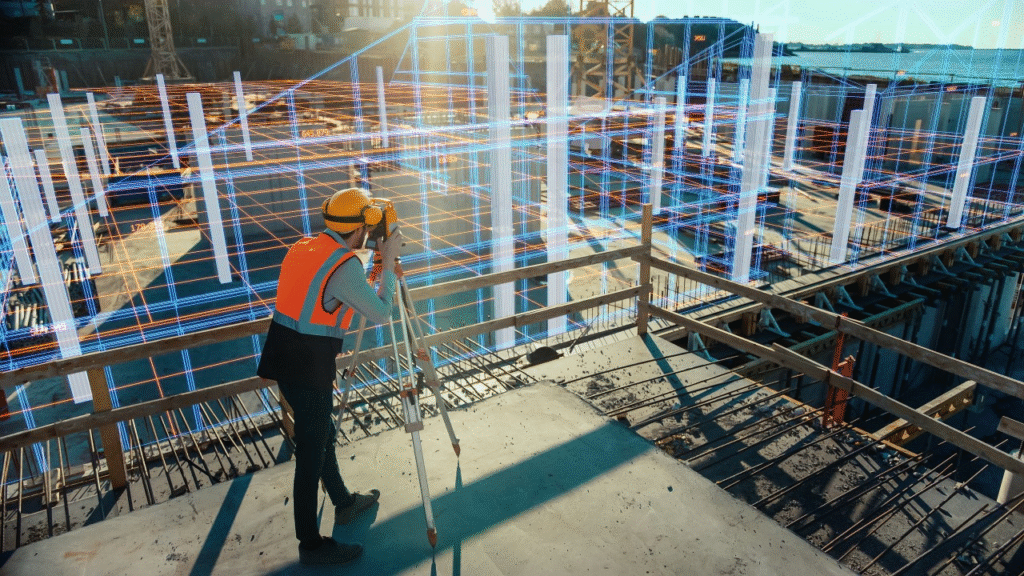
In recent years, IngeBIM has contributed to significant infrastructure projects across Chile and beyond. Their portfolio includes projects in transportation, energy, and public works, where BIM implementation has helped governments and private companies save both time and money.
For example, in road and railway projects, BIM allows engineers to anticipate terrain-related challenges, simulate construction sequences, and coordinate across multiple disciplines. IngeBIM’s expertise in these linear infrastructure projects sets it apart from many competitors, as infrastructure often requires more advanced BIM applications than traditional building construction.
Why BIM Adoption is Crucial for Latin America
While BIM adoption has been accelerating in Europe, North America, and Asia, Latin America has historically lagged behind. Many governments and private sector companies in the region still rely on outdated methods. However, this is changing, and companies like IngeBIM are at the forefront of this transformation.
There are several reasons why BIM is particularly important for Latin America:
- Infrastructure Growth: With urbanization accelerating, cities require smarter roads, bridges, and utilities. BIM ensures these projects are built efficiently and sustainably.
- Public Sector Efficiency: Governments are under pressure to improve transparency and accountability in public works. BIM allows for more accurate budgeting and auditing.
- Disaster Resilience: Latin America is prone to earthquakes, floods, and natural disasters. BIM’s ability to simulate scenarios improves resilience planning.
- Sustainability Goals: As climate change becomes a pressing issue, BIM helps reduce the environmental footprint of construction projects through better design and resource management.
Collaboration with ZIGURAT and Academic Institutions
Education has always been central to IngeBIM’s philosophy. The company collaborates with ZIGURAT Institute of Technology, a global leader in BIM education, to promote training programs for professionals in Latin America. This partnership allows engineers and architects to access world-class digital education while tailoring it to local industry needs.
Through workshops, online programs, and certifications, IngeBIM ensures that the construction workforce is prepared for the digital shift. This not only benefits individual professionals but also strengthens the industry as a whole.
Challenges in BIM Implementation
While BIM offers undeniable advantages, the journey toward full adoption is not without challenges. IngeBIM has faced and continues to address issues such as:
- Resistance to Change: Many companies are comfortable with traditional methods and reluctant to invest in new technologies.
- Training Gaps: Skilled BIM professionals are still scarce in many Latin American markets, making education initiatives crucial.
- Software Costs: BIM software and licensing can be expensive for small firms.
- Interdisciplinary Coordination: Even with BIM, aligning different stakeholders requires cultural change as much as technical tools.
IngeBIM tackles these challenges by providing not only technical solutions but also strategic guidance and training, ensuring that BIM adoption is sustainable.
The Future of IngeBIM and BIM in Construction
Looking ahead, IngeBIM is expected to continue expanding its influence, not only in Chile but across Latin America. With governments increasingly recognizing the importance of BIM for public projects, demand for expertise will only grow.
Technological advancements such as Artificial Intelligence, IoT (Internet of Things), and Augmented Reality will integrate further into BIM workflows, creating richer digital twins and smarter construction sites. IngeBIM’s early commitment to innovation positions it well to lead this next stage of transformation.
Moreover, as sustainability and climate resilience become global imperatives, BIM will play a central role in designing infrastructure that is both efficient and environmentally responsible. IngeBIM’s emphasis on education ensures that the workforce of tomorrow is ready to meet these challenges.
Conclusion
IngeBIM represents more than just a construction consultancy—it embodies the spirit of digital transformation in an industry that has historically resisted change. By combining practical project expertise with educational initiatives, IngeBIM is paving the way for a smarter, more collaborative, and more sustainable construction sector in Latin America.
The company’s commitment to BIM coordination, digital twins, and academic partnerships showcases a holistic vision for the future of infrastructure. In an era where cities must expand, resources must be optimized, and sustainability must be prioritized, IngeBIM stands as a bridge between tradition and innovation.
As BIM continues to reshape construction worldwide, IngeBIM’s story is a powerful reminder that progress comes not only from adopting new technologies but from sharing knowledge, building collaboration, and preparing future generations of engineers for the digital era.


Pingback: Pootenlord Coin Future of Meme-Inspired Cryptocurrency latest guide 2025 - thewheon.co.uk
Pingback: Claude Edward Elkins Jr Visionary Leader in Law, Logistics, and Public Service latest guide 2025
Pingback: Using yehidomcid97 on Enigmatic Digital Code Redefining Online Innovation - thewheon.co.uk